
← Return to DispatchesWORLD WIRE • ASIA PACIFIC • INDIA
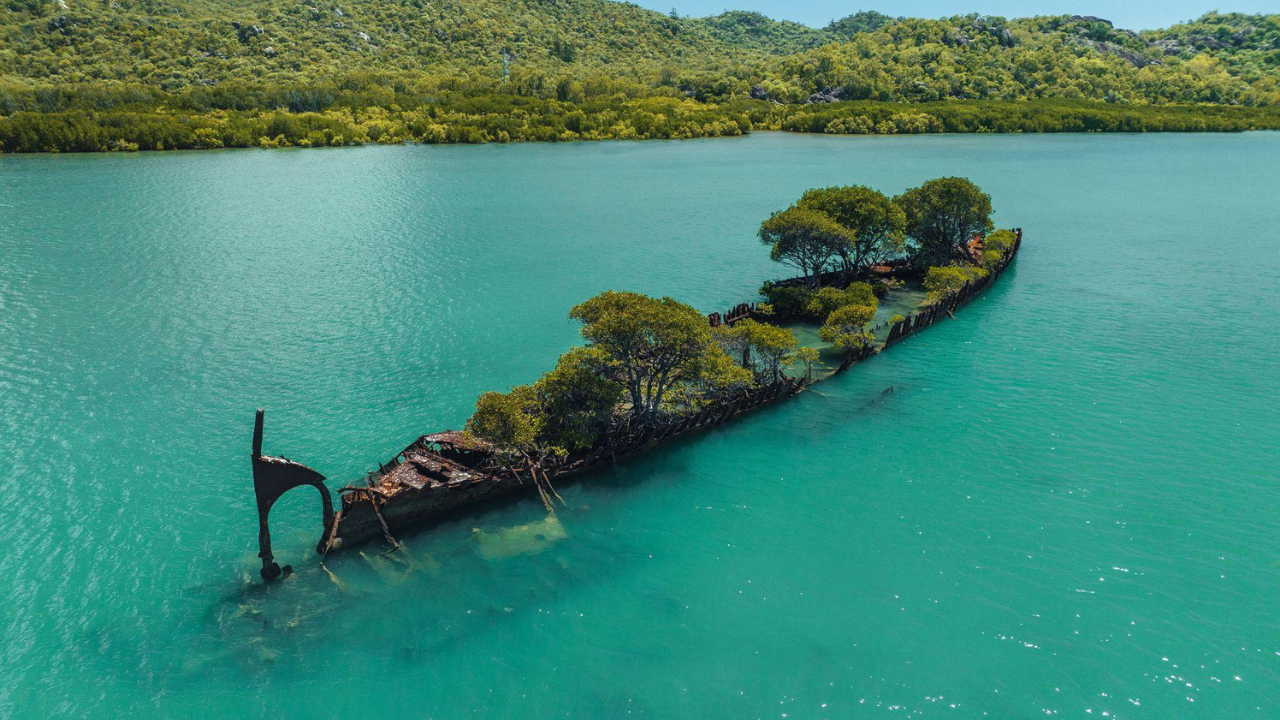
A Ship caught fire 160 years ago; mangroves turned its wreck into a living island
EXECUTIVE DISPATCH OVERVIEW
⚡ STRATEGIC DISPATCH INTELLIGENCE
Algorithmic Synthesis & Sector Impact Matrix
PRIMARY SECTOR
Environmental Science
GEOGRAPHY
Global
ALERT / STATUS
Historical / Ecological
SOURCE WIRE
Times of India
Shipwreck Ecosystem Analysis
-
Historical Event: A vessel caught fire 160 years ago, leading to its eventual abandonment.
-
Natural Integration: Mangrove vegetation has colonized the site, transforming the wreck into a living island.
-
Environmental Shift: The shipwreck structure provided the foundational habitat for mangrove growth.
-
Ecosystem Formation: The wreck serves as a base for an island ecosystem over a 160-year period.
Environmental & Ecological Impact
🔹 Marine Ecosystems
The shipwreck acts as a substrate for mangrove colonization and island formation.
🔹 Coastal Conservation
The transformation highlights natural succession and the role of shipwrecks in coastal environments.
Shipwreck Ecological FAQs
How long has the mangrove island been forming? ▾
The process began approximately 160 years ago following a ship fire.
What is the primary feature of the site today? ▾
The wreck has been integrated into a living island dominated by mangroves.
This dispatch has been curated by Press Glob under international press wire fair-use reporting standards. Access the original reporting directly below.
 Hindustan Times
 Arab News
 Times of India