
Airbus confident that Gulf aviation can bounce back from the Iran war
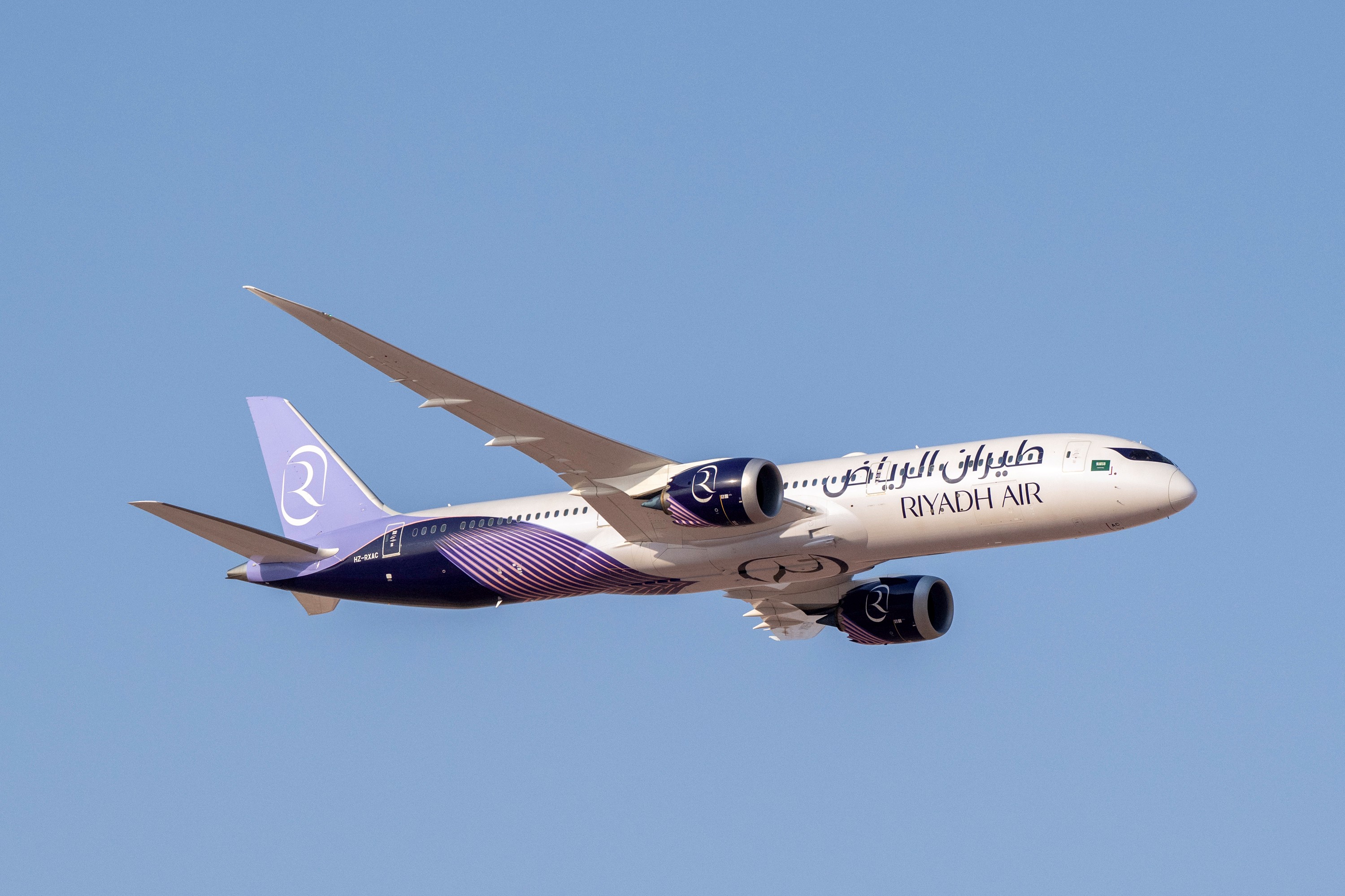
DUBAI: The Gulf’s aviation boom was built on a powerful combination of geography, accessible airspace, relatively cheap fuel and millions of passengers connecting between Asia, Europe and Africa. The Iran war has put all of those advantages under pressure at once, spiking oil prices, closing airspac
Gulf Aviation & Geopolitical Risk Analysis
-
Regional Context: The Gulf aviation sector leverages geographic connectivity between Asia, Europe, and Africa.
-
Geopolitical Impact: The Iran war has constrained airspace accessibility and challenged core operational advantages.
-
Market Pressure: Rising oil prices are creating direct financial pressure on regional aviation business models.
-
Airbus Stance: Airbus maintains a positive outlook regarding the capacity of Gulf aviation to recover from conflict-driven disruptions.
Sectoral and Operational Impact
Operating costs are elevated due to volatile oil prices and restricted access to established airspace.
The manufacturer continues to project long-term viability for Gulf-based airlines despite current regional hostilities.
Aviation Industry Recovery Q&A
What factors supported the Gulf aviation boom? ▾
The boom was driven by strategic geography, open airspace, competitive fuel costs, and high passenger transit volumes.
How has the Iran war impacted regional travel? ▾
The conflict has caused fuel price spikes and led to the closure of critical airspace corridors.
This dispatch has been curated by Press Glob under international press wire fair-use reporting standards. Access the original reporting directly below.
 France 24
 Times of India
 Times of India
 Times of India