
China set to decide if Costa Rican or Guyanese diplomat becomes first woman UN chief
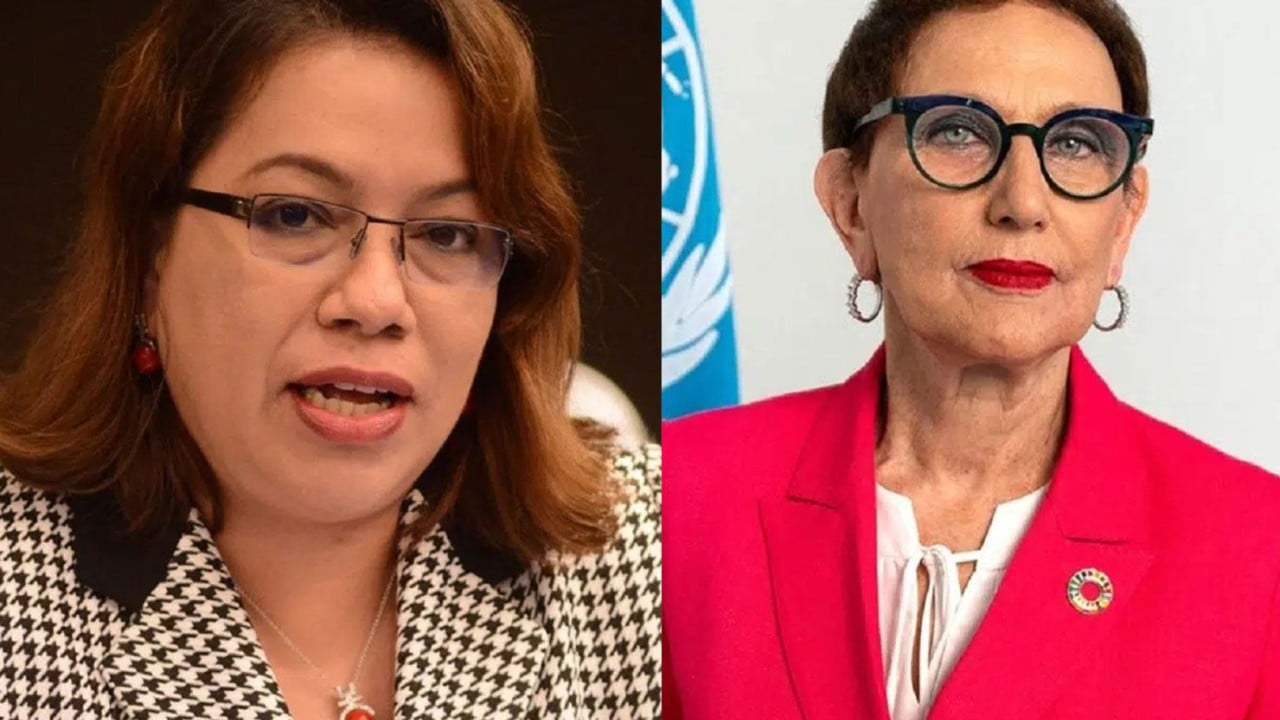
China is poised to decide which of two Latin American women becomes the first to lead the United Nations, after three rounds of informal voting in the Security Council failed to produce a favourite. Several UN delegations that spoke to the South China Morning Post over the past three days said Beiji
UN Leadership Selection Process
-
Selection Standoff: Three rounds of informal Security Council voting failed to establish a clear frontrunner.
-
Beijing's Influence: China is poised to determine the outcome between Latin American candidates from Costa Rica and Guyana.
-
Historic Milestone: The upcoming appointment marks the potential for the first woman to lead the United Nations.
-
Diplomatic Deadlock: The Security Council remains divided, necessitating China's deciding influence in the selection process.
Geopolitical & Institutional Impact
The selection process for the top administrative role remains stalled pending a consensus decision.
Candidates from Costa Rica and Guyana are currently under review for the global leadership position.
Policy Radar: Upcoming Votes
- Formal Security Council vote to confirm new UN leadership
UN Leadership Selection FAQs
Why is China's position critical in this election? ▾
China holds a decisive role in breaking the stalemate after three rounds of informal voting failed to identify a consensus candidate.
What is the primary barrier to selecting the new UN Chief? ▾
The inability of the Security Council to reach a consensus after three rounds of informal voting has delayed the appointment.
This dispatch has been curated by Press Glob under international press wire fair-use reporting standards. Access the original reporting directly below.
 Times of India
 France 24
 Hindustan Times